
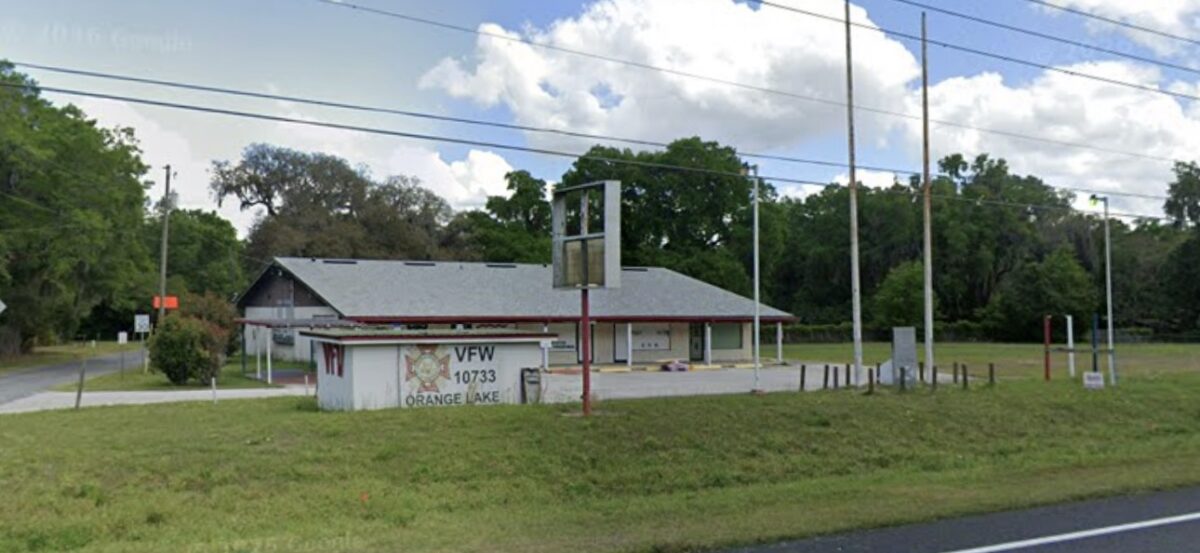
A proposal to convert a former VFW post in Reddick into an eco-friendly “aquamation” facility that would use alkaline hydrolysis to cremate deceased domestic animals and small livestock is heading to the Marion County Planning and Zoning Commission for review next week.
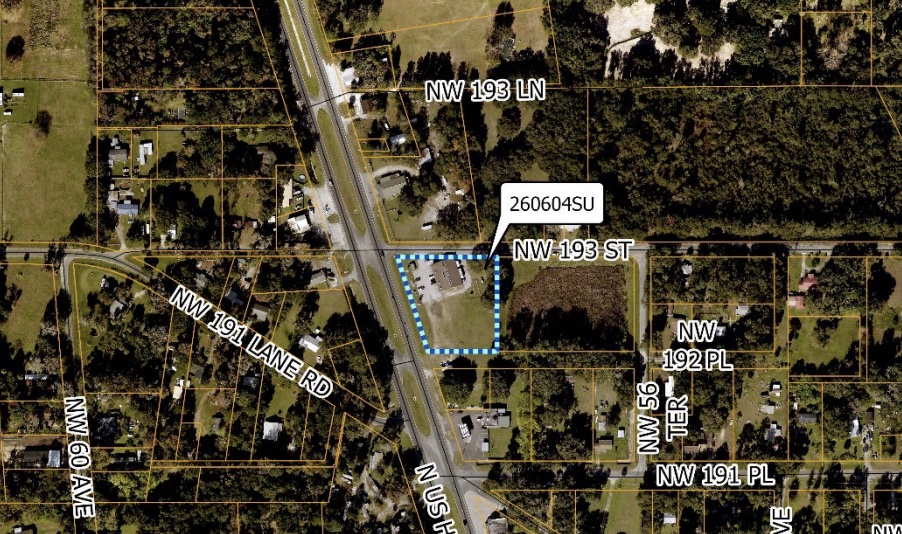
Paula Dempsey and Ted Stone have filed an application for a Special Use Permit (SUP) to allow the operation of alkaline hydrolysis, commonly known as aquamation, at 19241 N US Highway 441 in Reddick. The matter will be reviewed by the Marion County Planning and Zoning Commission during its regular meeting on Wednesday, May 27.
The 1.55-acre property, owned by Solfan, LLC, currently holds a Community Business zoning classification and a Rural Activity Center future land use designation. The site previously operated as the Orange Lake VFW Post 10733.
According to a staff report, aquamation serves as a gentle, environmentally friendly alternative to traditional flame-based cremation. The process utilizes a combination of water, heat, and alkaline chemicals to accelerate the natural decomposition process.
Unlike incineration, aquamation does not produce smoke, particulate matter, or greenhouse gas emissions. The process neutralizes the strong basic chemicals, leaving behind only sterile, pH-neutral wastewater (effluent) and calcium phosphate bone remains.
Following the process, the remaining bones are pulverized into a powder, similar to traditional cremation ash, and returned to the pet owners. According to application materials, the process saves over 90% of energy compared to flame-based cremation and returns 20% more ash remains to families.
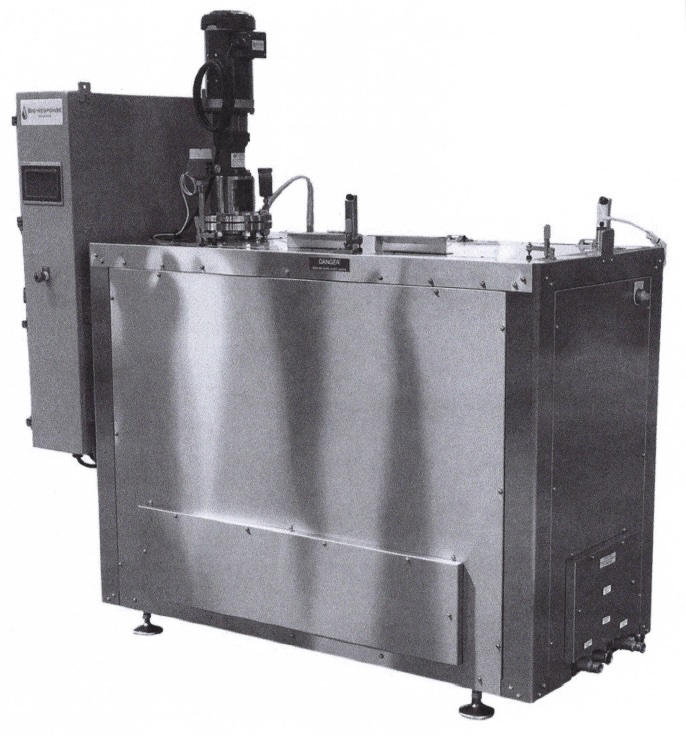
The applicants plan to utilize a “PET-550” aquamation system, which resembles a large deep freezer and operates as quietly as standard laboratory equipment. The machine can hold a maximum weight of 550 pounds, averaging about 14 pets per cycle, and takes 24 hours to complete the process.
Each animal will be placed in an individually tagged compartment for strict identification. The facility will be equipped to handle standard domestic pets, such as dogs, cats, and rabbits, as well as small livestock up to the size of a goat.
The proposed business will operate on a wholesale model rather than being retail-facing, meaning the facility will not have public hours or conduct on-site memorial services. Instead, the operators will work directly with local veterinary offices.
County staff is recommending that the PZC approve the permit with several strict conditions to ensure compatibility with the surrounding area and to protect the environment. Because the property is located within the Environmentally Sensitive Overlay Zone and the Secondary Springs Protection Zone, wastewater management is a primary focus.
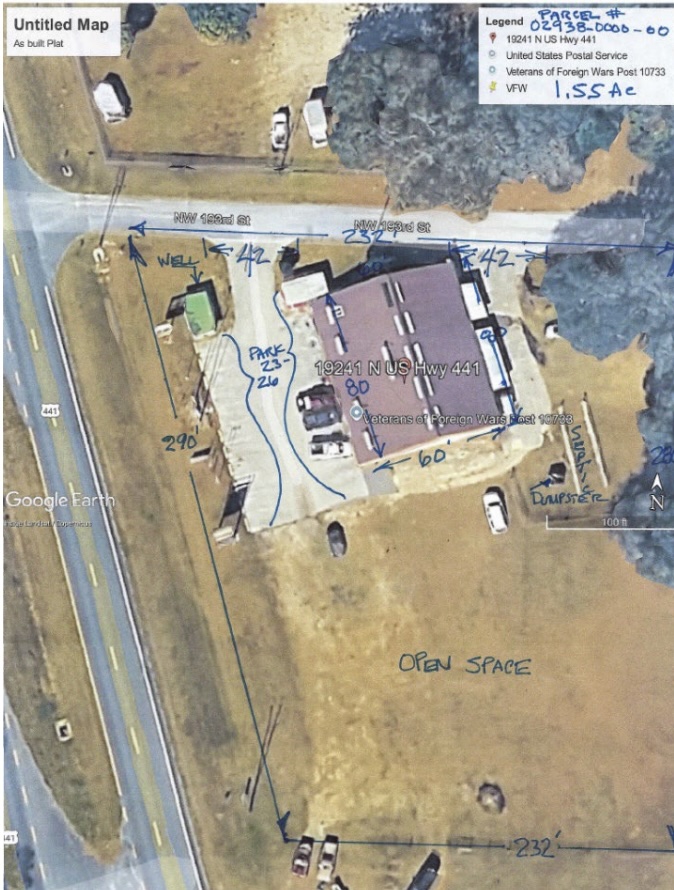
Under the county’s recommended conditions, the operators are strictly prohibited from draining the aquamation effluent into the property’s existing septic system. All wastewater produced by the process must be securely captured, stored in tanks, and completely removed off-site. Additionally, all processing and storage associated with the aquamation operation must be conducted entirely indoors.
The Marion County Planning and Zoning Commission will review the application and make a recommendation during its meeting on Tuesday. The proposal will then be forwarded to the Marion County Board of County Commissioners for a final ruling on June 17.
UPDATE: This story was amended to correct the date of the PZC meeting.