
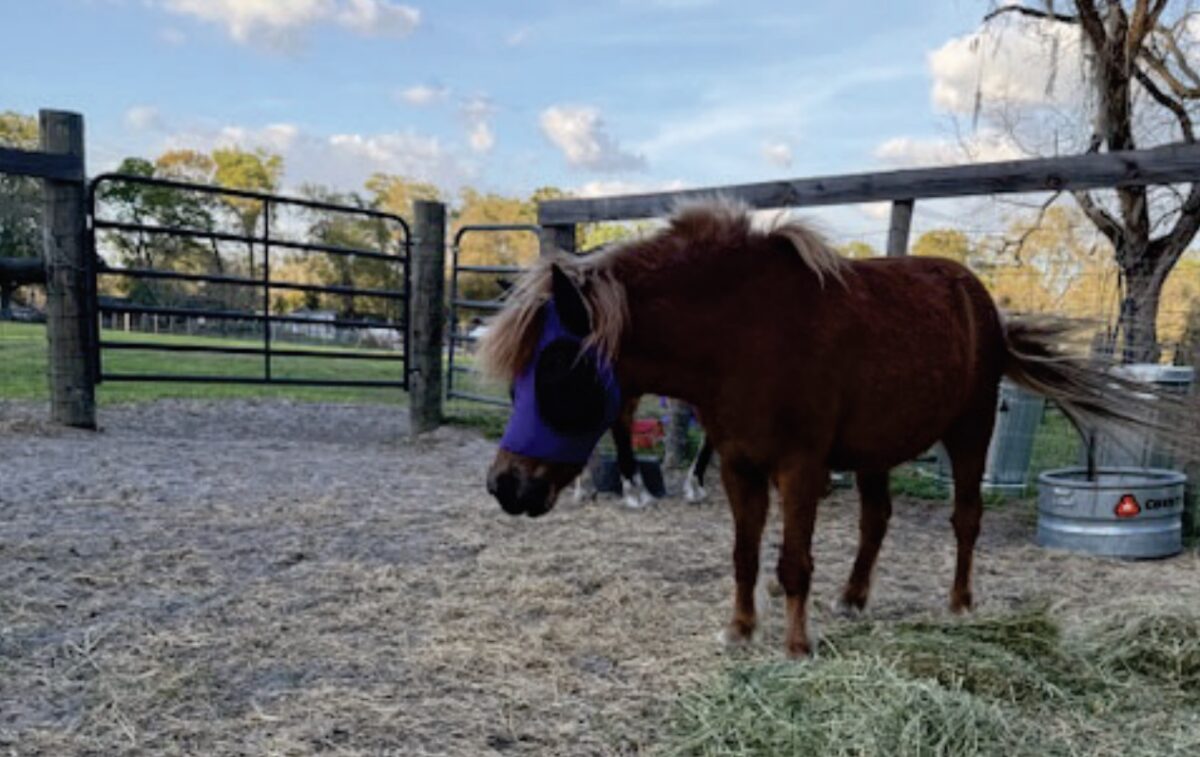
The Marion County Board of County Commissioners will cast a final vote next week on a local family’s request to keep two miniature horses on their residential property, a decision that follows a divided vote by the local zoning commission.
The board will review the special use permit request submitted by Stefan and Cathy Mehrl during its upcoming regular meeting on Tuesday, June 16.
The applicants are seeking permission to house two miniature horses for personal, non-commercial use on their 1.54-acre property located at 12721 SW 73rd Street in the Rolling Hills subdivision.
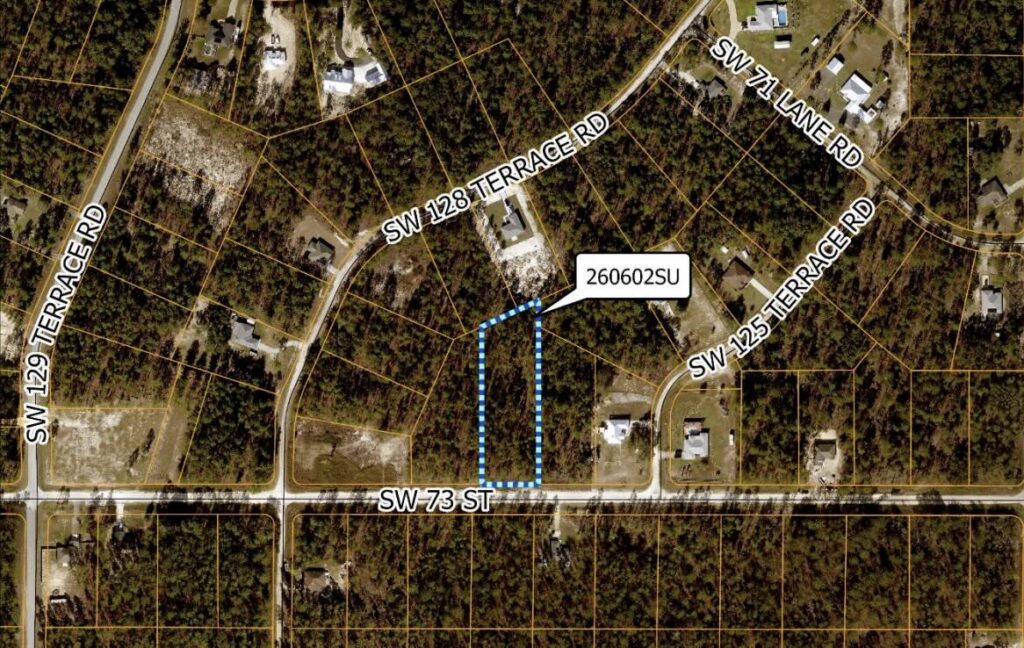
Because the property holds a single-family dwelling zoning classification, the owners are required by the county’s land development code to obtain a special use permit to keep the animals on the premises.
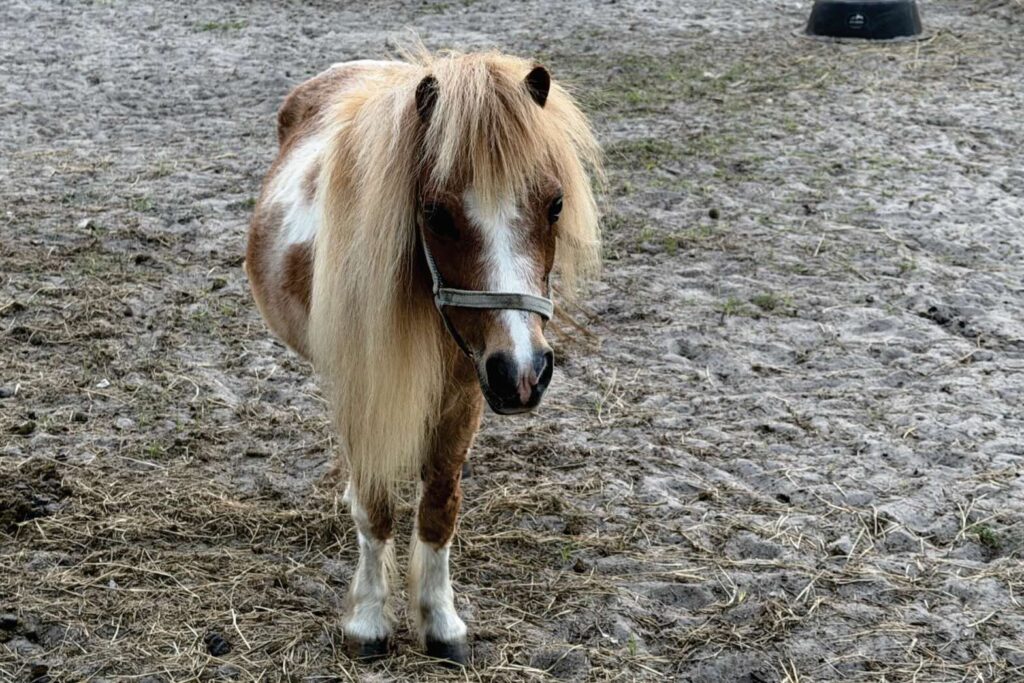
The two senior miniature horses, named Frisky and Poppins, require a specialized diet and careful grazing management to maintain their health.
The family previously outlined a detailed care regimen, including an integrated pest management system utilizing fly predators to control insects during the muggy months.
Last month, the Marion County Planning and Zoning Commission reviewed the application but failed to issue a formal recommendation after the board split in a tied vote of two to two.
Ahead of the upcoming county commission meeting, the applicants submitted a packet of updated documents on June 1 containing additional findings of fact and medical information regarding equine diseases.
To address potential health and safety concerns, the newly submitted documents feature correspondence from a veterinarian explaining the nature of Equine Encephalitis.
The veterinarian clarifies that horses are considered dead-end hosts for the virus, meaning they do not spread the disease to humans or to other horses. The packet also includes extensive state arbovirus surveillance data to demonstrate the overall rarity of the virus.
According to the updated findings of fact, the primary residence on the property is currently under construction.
The package also included updated photos showing the construction of two, 9′ x 15′ barns that both have run-in areas for the animals.
The conceptual plan of the site outlines a designated pasture area of approximately 30,000 square feet, which will feature a barn setup, a dry paddock, and a designated manure management area.
The property will maintain a perimeter two-board fence incorporating no-climb wire to ensure safety and security.
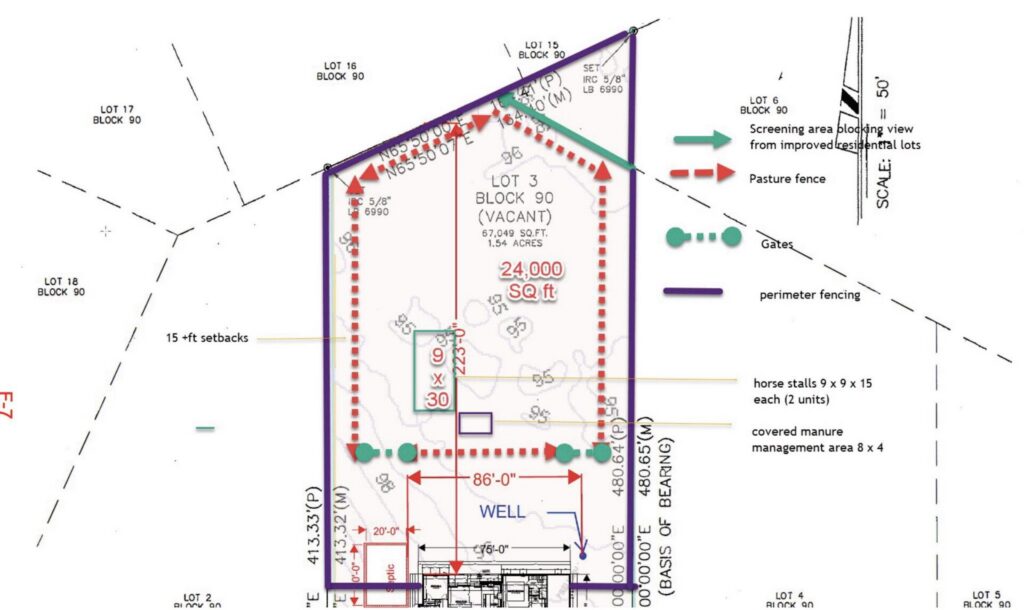
To minimize visual impacts on neighboring residences, the applicants plan to preserve a grove of mature native live oak trees along the rear property line to serve as a natural vegetative buffer.
County staff continues to recommend approval of the permit, provided the owners adhere to several strict conditions to mitigate environmental impacts.
Under the recommended conditions, the permit will authorize a maximum of two miniature horses and will automatically terminate if the property is sold.
Due to the site’s sandy soil, the owners must ensure the horses are offered free-choice quality hay if the pasture grass is depleted.
Furthermore, manure cannot be stored in open piles and must be kept in sealed, leak-resistant containers set back at least 60 feet from the side property lines and 100 feet from the rear property line.
The board next meets on Tuesday, June 16, at 9 a.m. at the McPherson Governmental Complex in Ocala (601 SE 25th Avenue).
What are your thoughts on allowing residents to keep miniature horses on single-family residential properties? Share your perspective in a comment below or write a letter to the editor.