
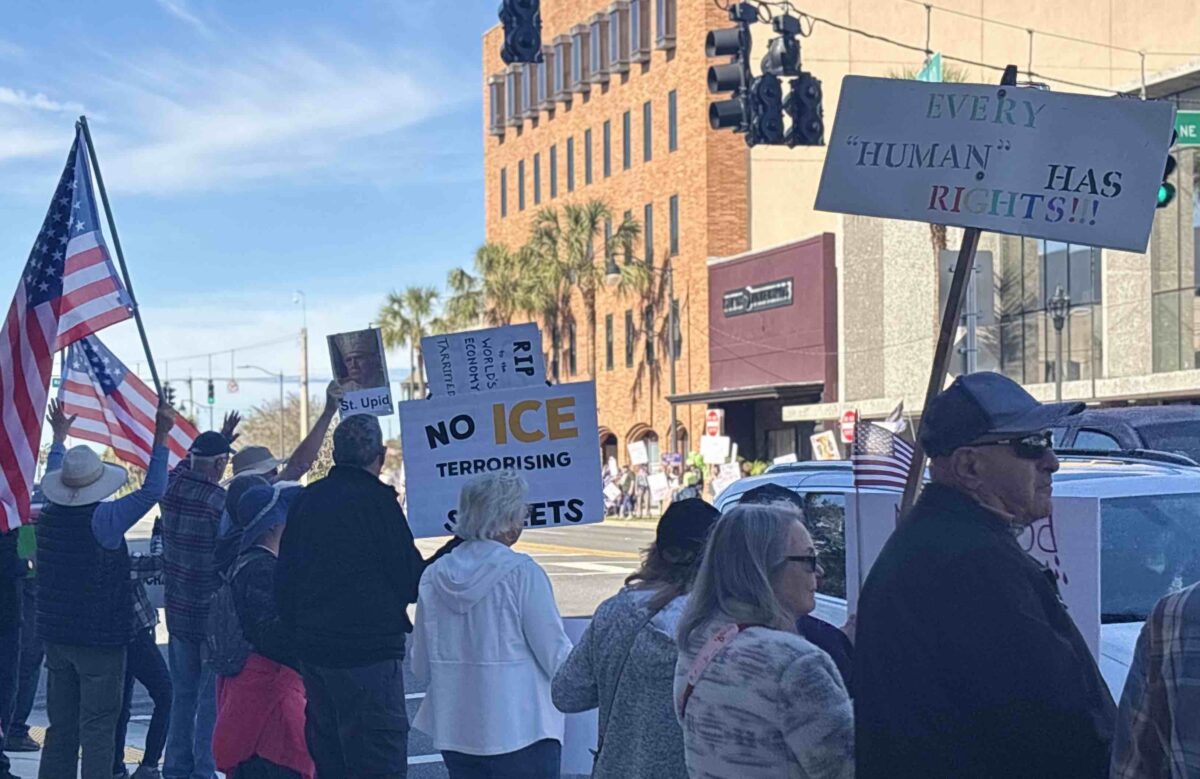
To the Editor:
In response to Kelly Kendrick, before you speak about illegal aliens and their constitutional rights, read the constitution.
Per the Constitution: While many protections apply, the rights of unauthorized immigrants are not identical to those of U.S. citizens or lawfully admitted residents.
Key limitations include the following:
- Presence matters: If a person never actually entered the U.S. or was stopped at the threshold, courts have held that many constitutional protections may not apply in full.
- Immigration enforcement rules: Immigration proceedings (removal and exclusion) are treated differently than criminal prosecutions. The government has broader power to exclude or remove non‐citizens.
- Status‐based restrictions: Certain statutes explicitly distinguish between citizens and non‐citizens, or lawfully present vs. unlawfully present, affecting rights such as eligibility for benefits, welfare, or certain legal protections.
- Admission vs. arrival: Some decisions hinge on whether the non‐citizen was admitted or merely entered. Admitted lawful permanent residents generally have full constitutional rights; those here unlawfully or at the border line may have reduced rights.
- Criminal vs. civil: Unauthorized entry is often treated as a civil immigration violation, not a criminal one, but contextual criminal charges (re-entry after removal, for example) will trigger full constitutional criminal protections.
Eileen McGinnis
Ocala