
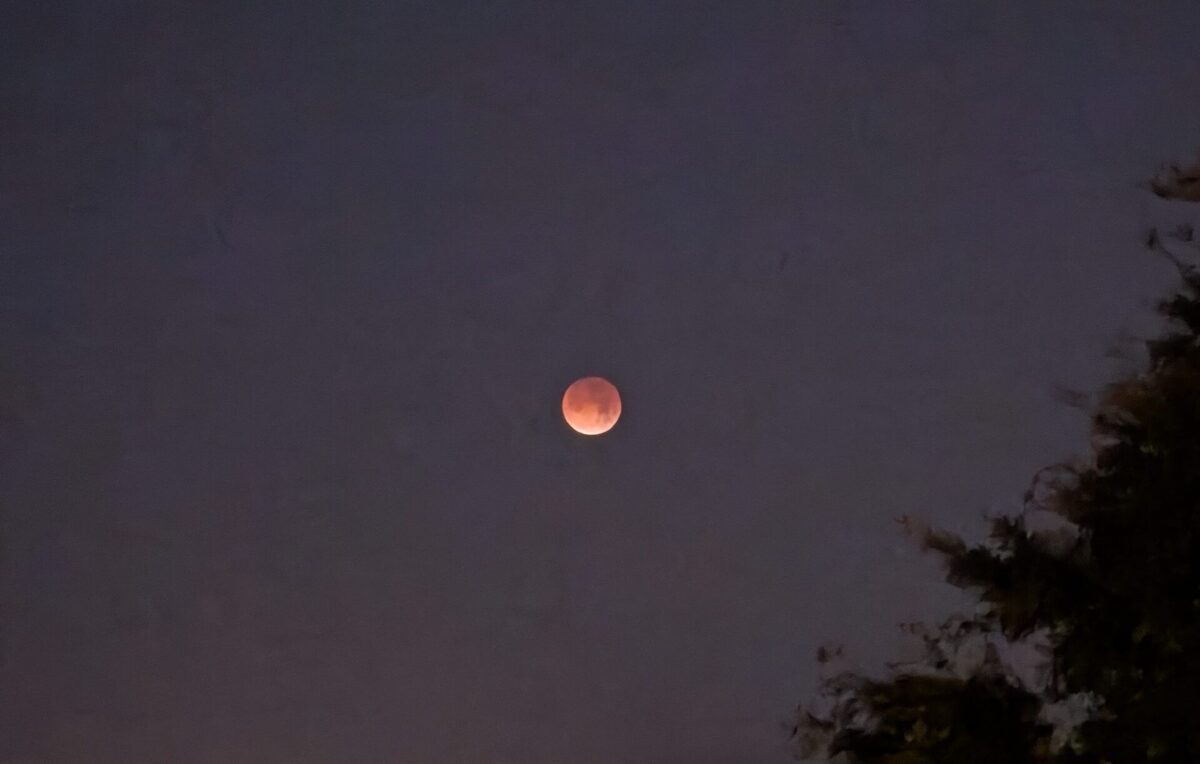
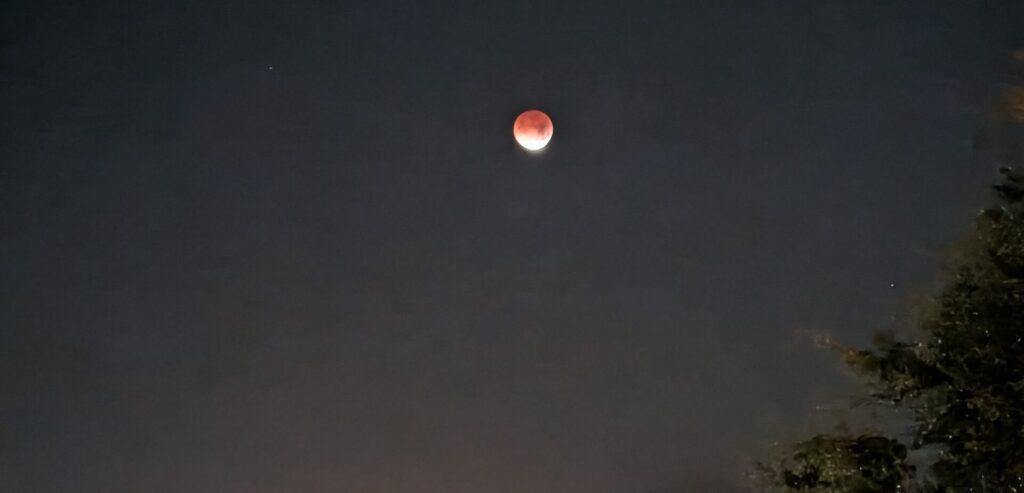
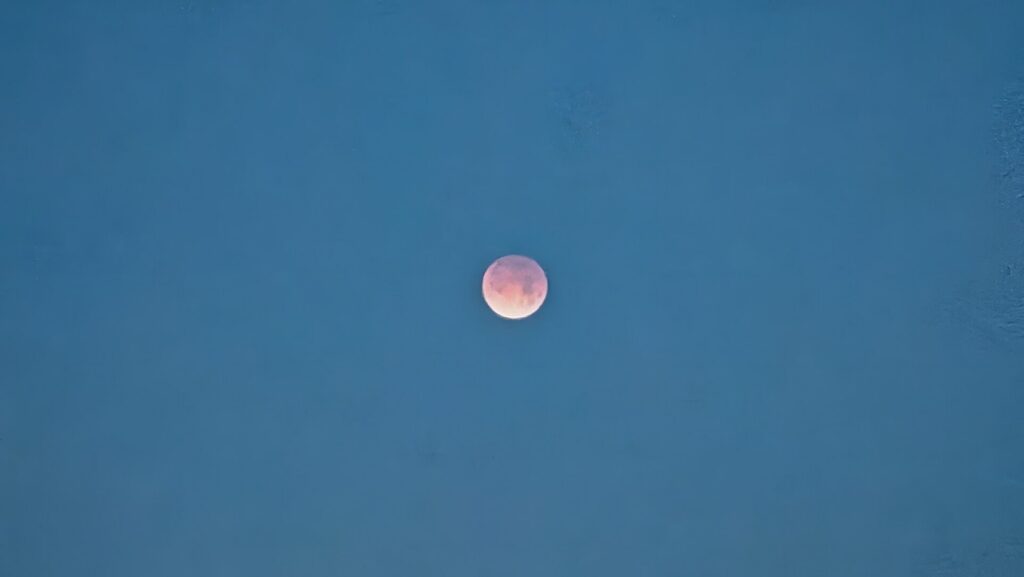
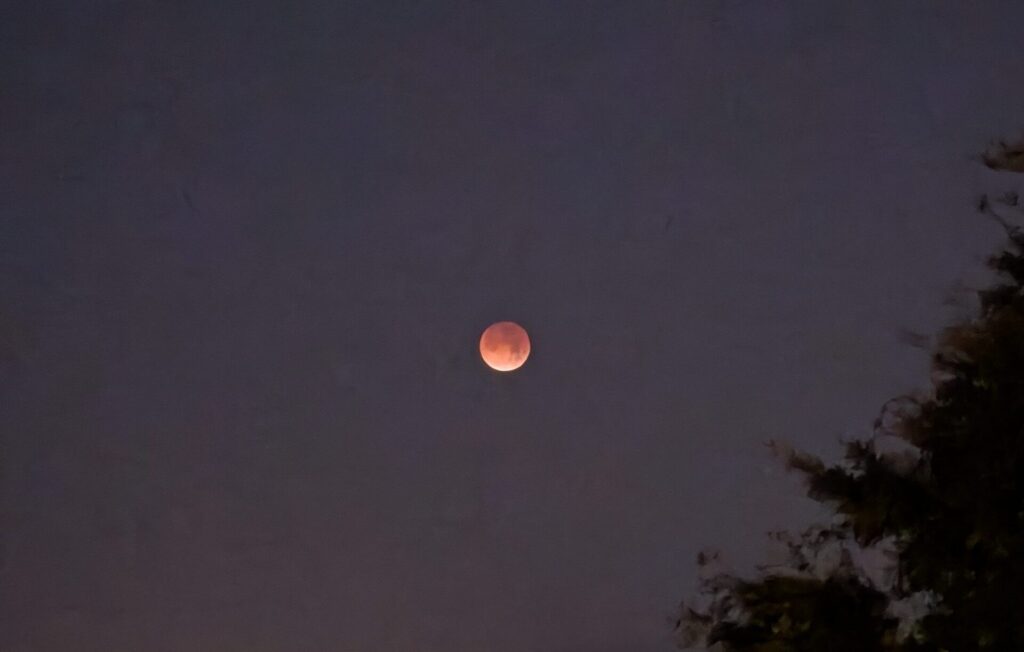
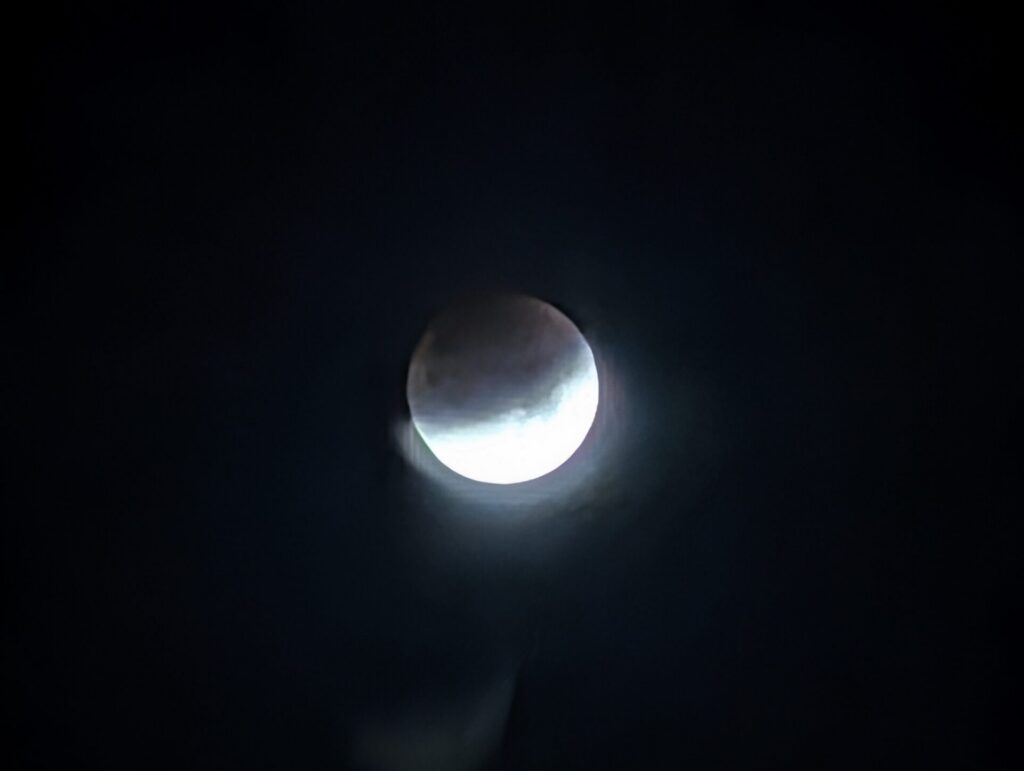
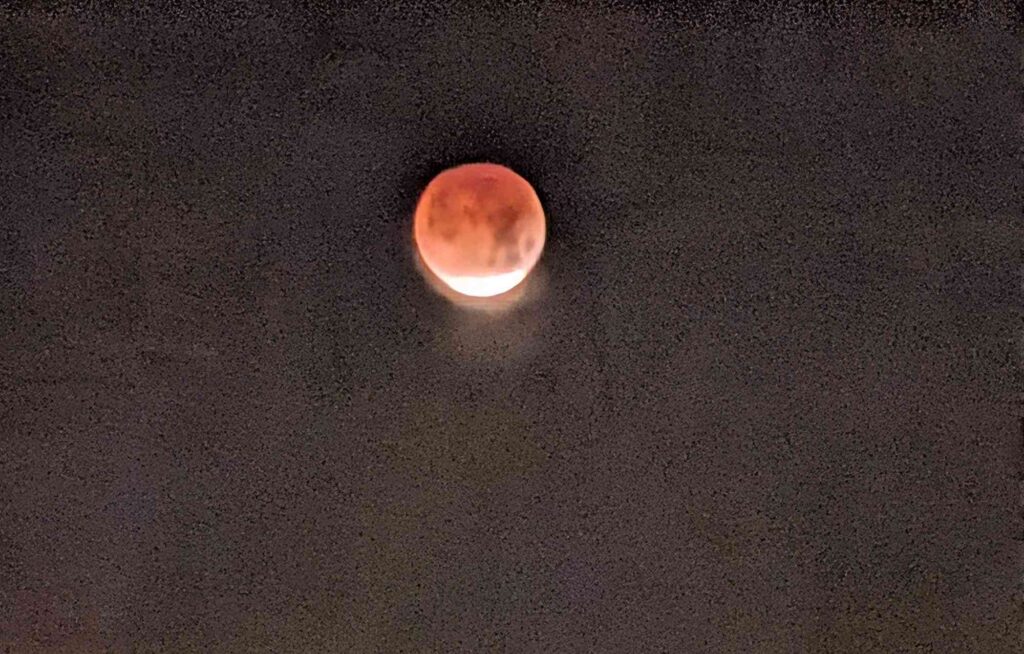
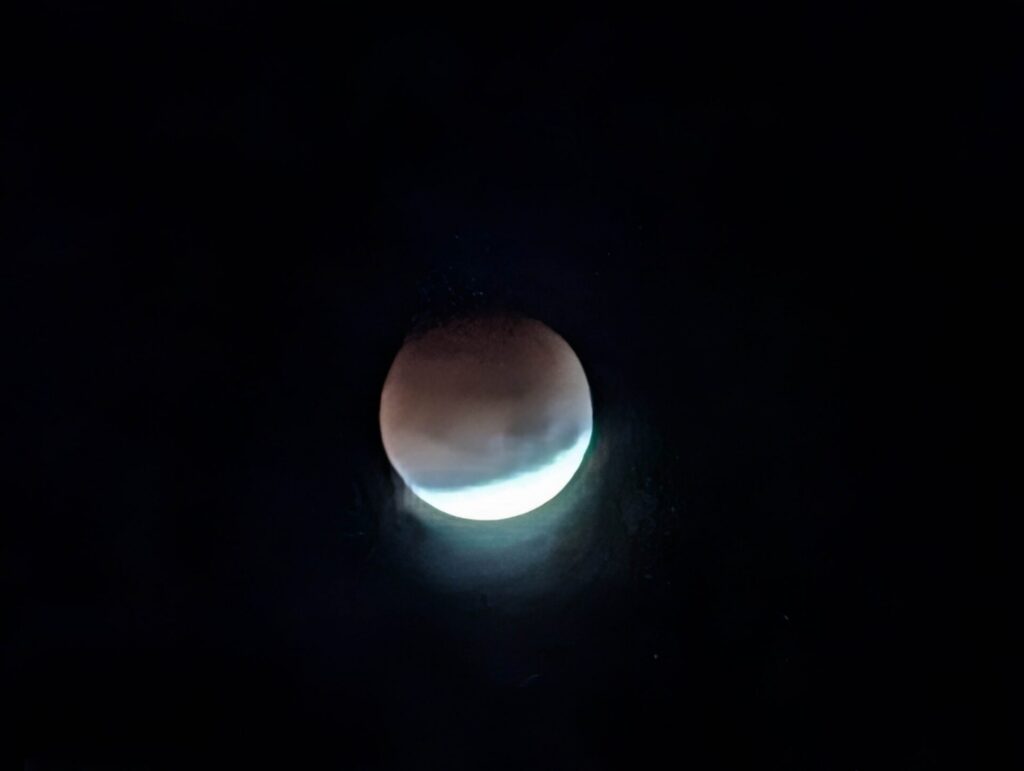
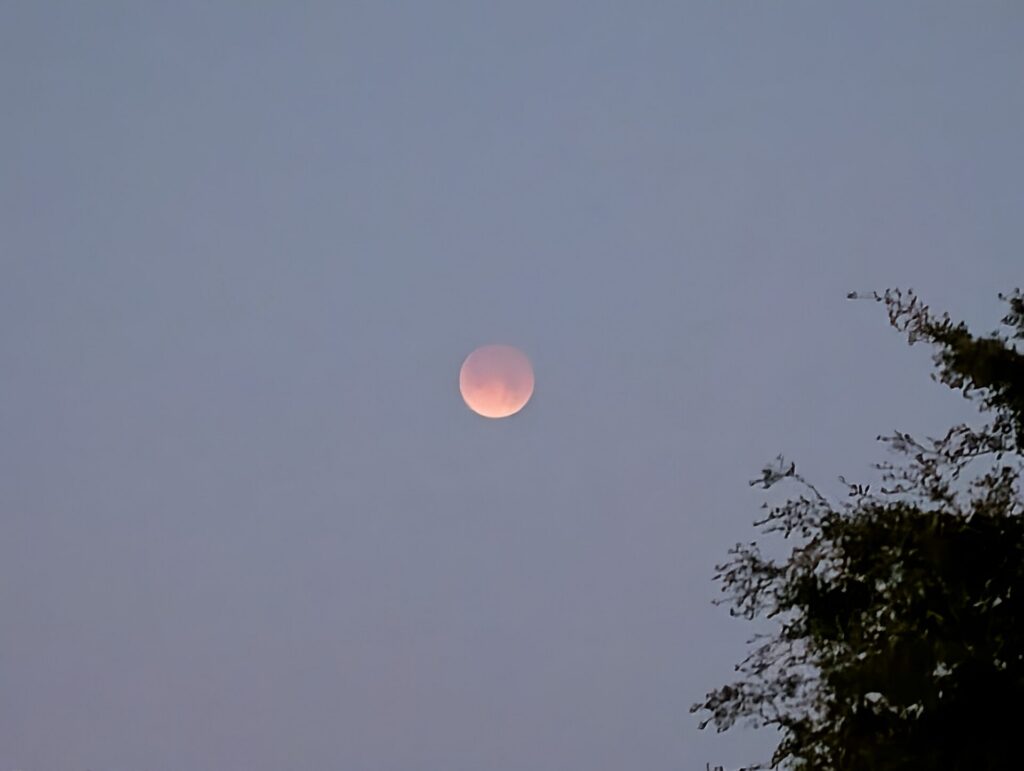
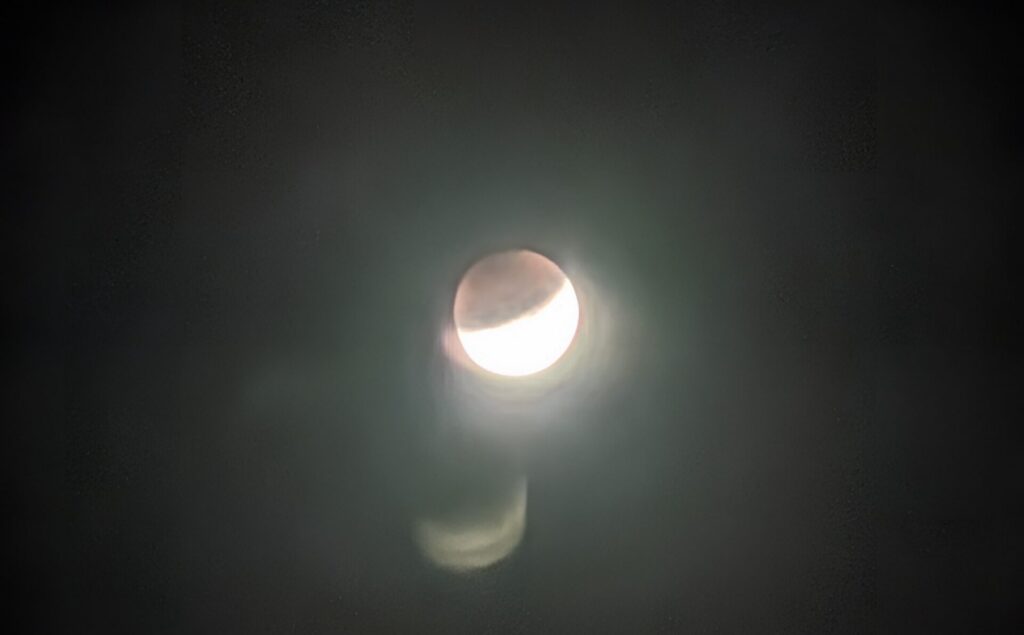
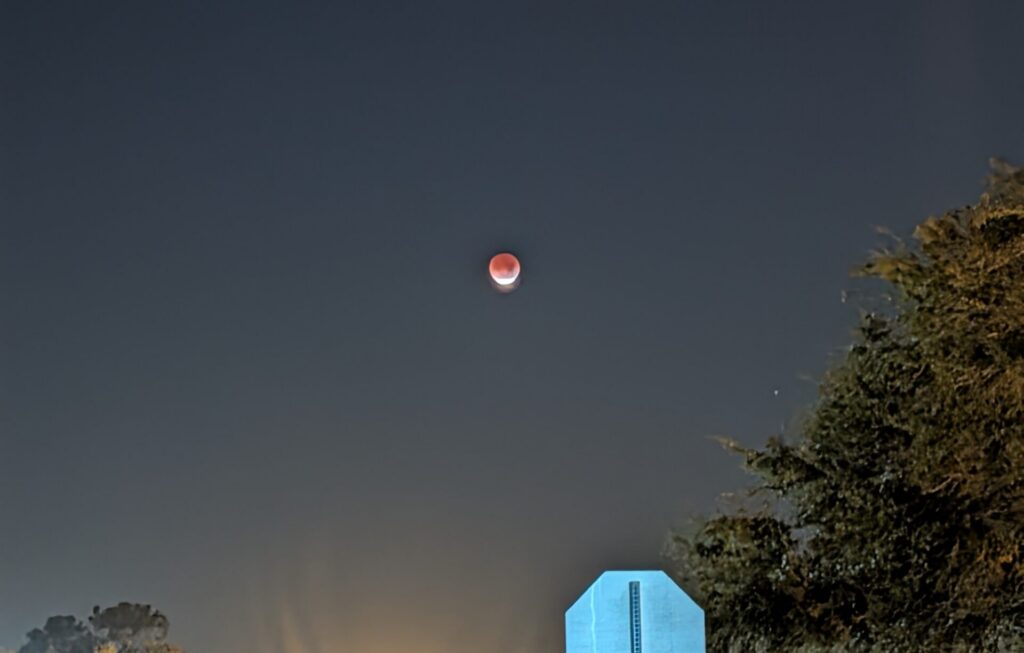
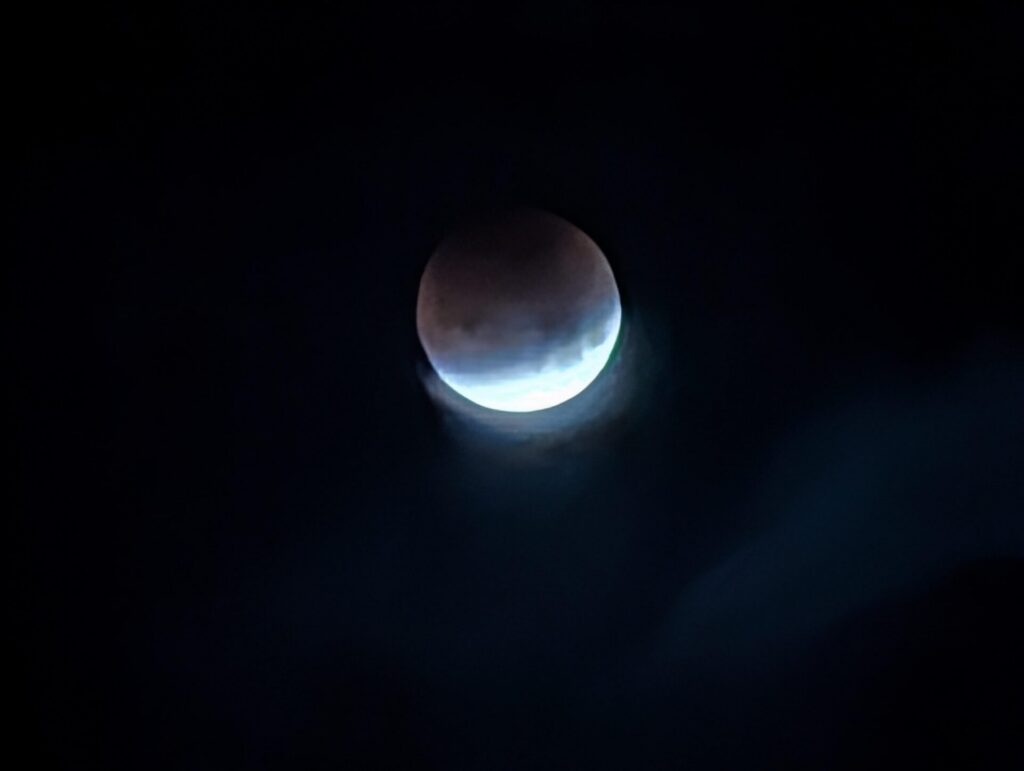
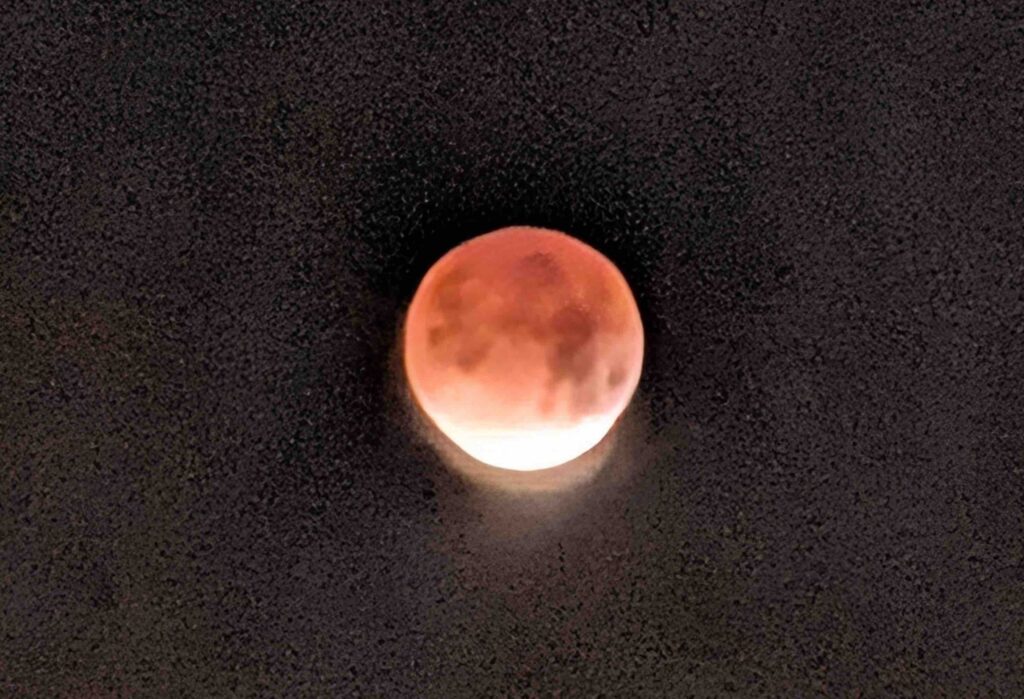
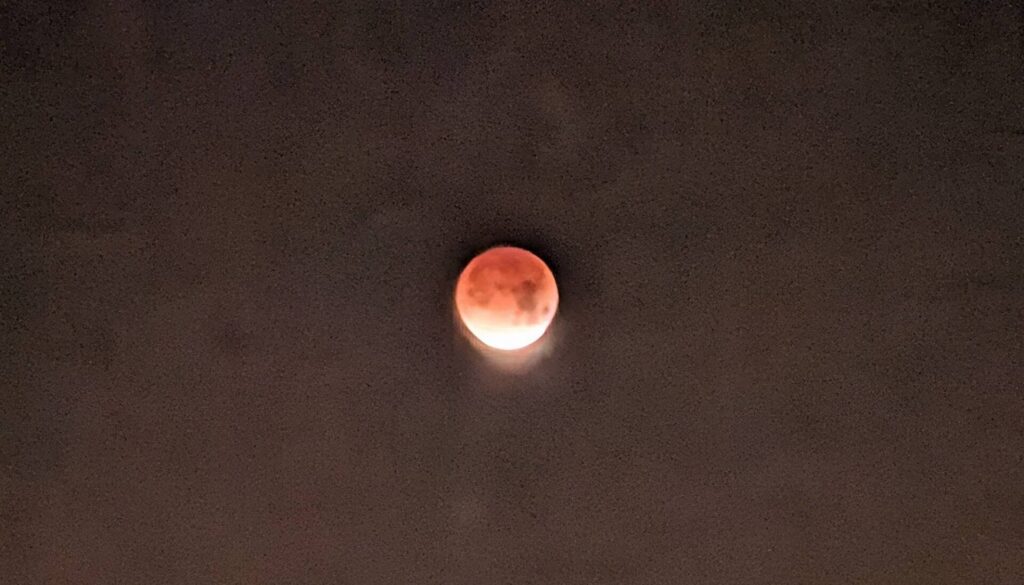
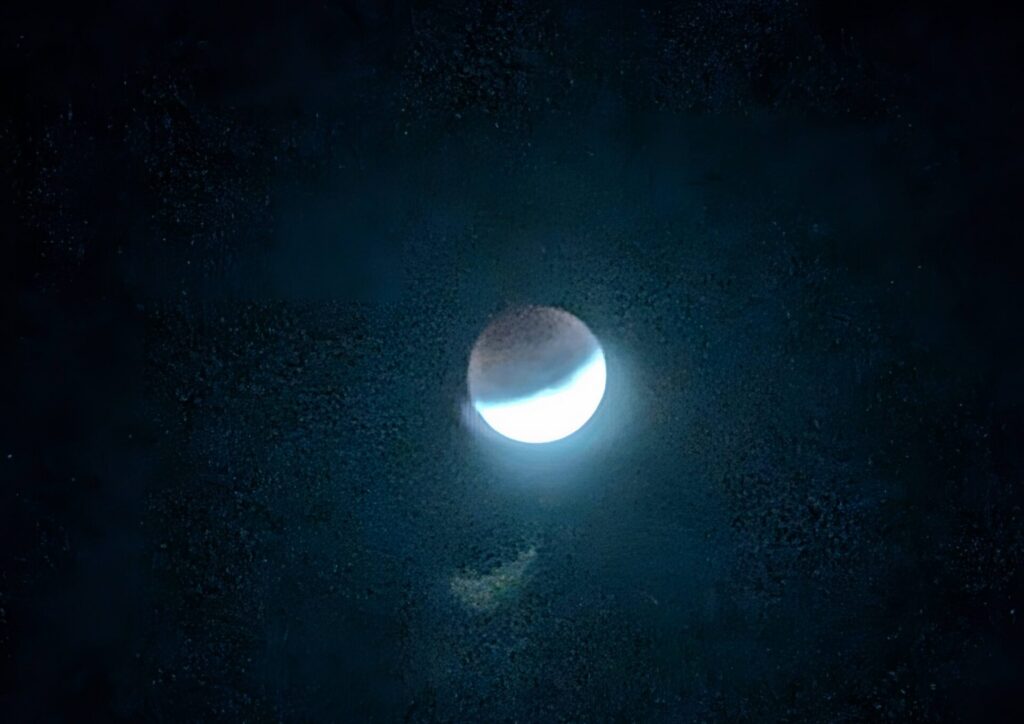
A total lunar eclipse, or “Blood Moon,” transformed the night sky for Marion County residents on Tuesday morning.
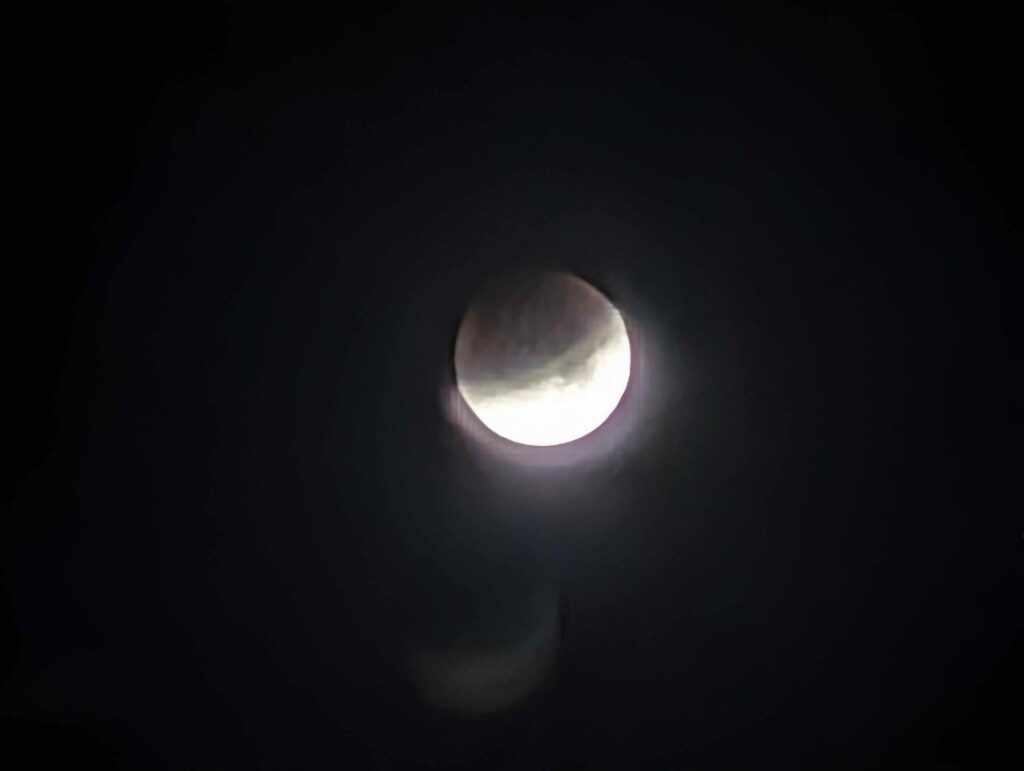
The event began in the pre-dawn hours, with the Earth’s shadow first touching the moon at 3:44 a.m.
The most visible portion of the eclipse and transformation began around 5:20 a.m. EST. By 6:04 a.m. local time, the moon had entered totality, taking on a deep, coppery red hue. The peak of the eclipse occurred at around 6:33 a.m. It set shortly before 7 a.m.
While partial lunar eclipses happen more frequently, today’s event was particularly special. This was the only total lunar eclipse of 2026 and the last one that will be visible from North America until late 2028. On average, a specific location on Earth only sees a total lunar eclipse once every 2.5 years.
A total lunar eclipse occurs when the Earth moves directly between the sun and the moon, casting its shadow across the lunar surface. The distinct red color is caused by “Rayleigh scattering,” which is the same phenomenon that creates red sunrises and sunsets. As sunlight passes through Earth’s atmosphere, shorter blue wavelengths are scattered away, while longer red wavelengths are bent toward the moon.
Check out our partial album below, or view our complete album of photos on Facebook or Instagram.
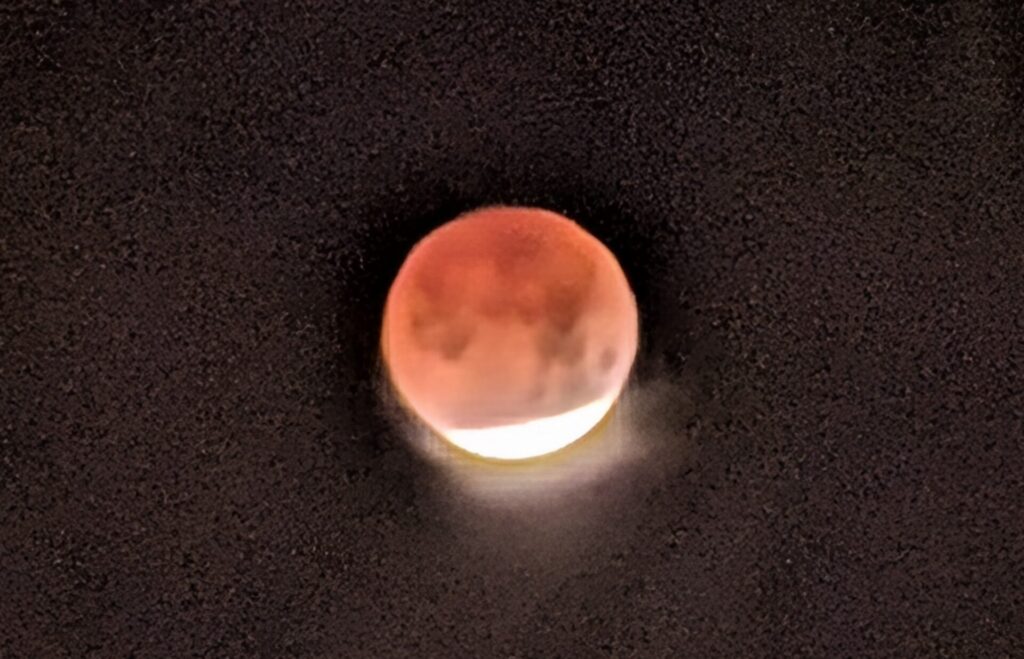
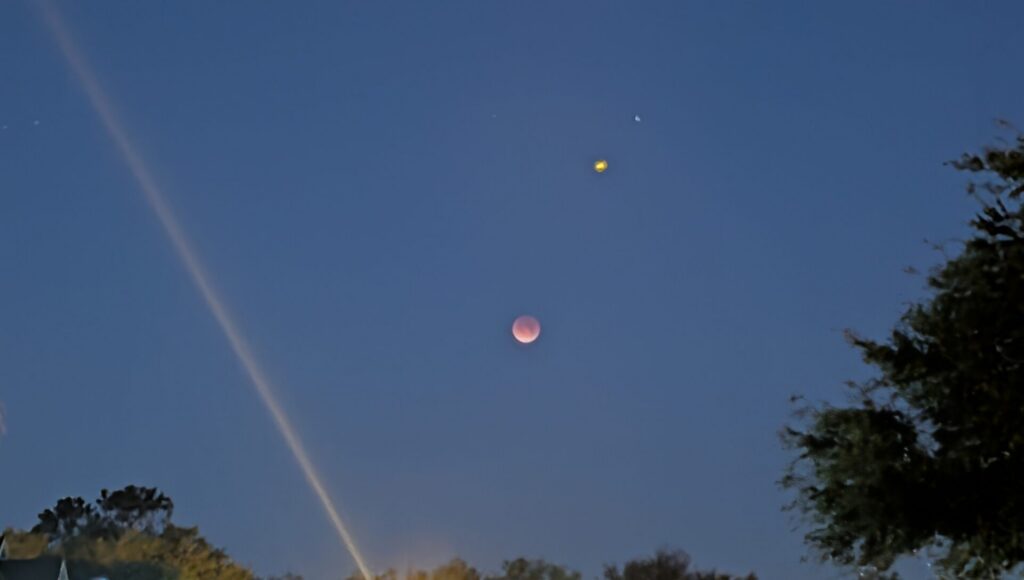
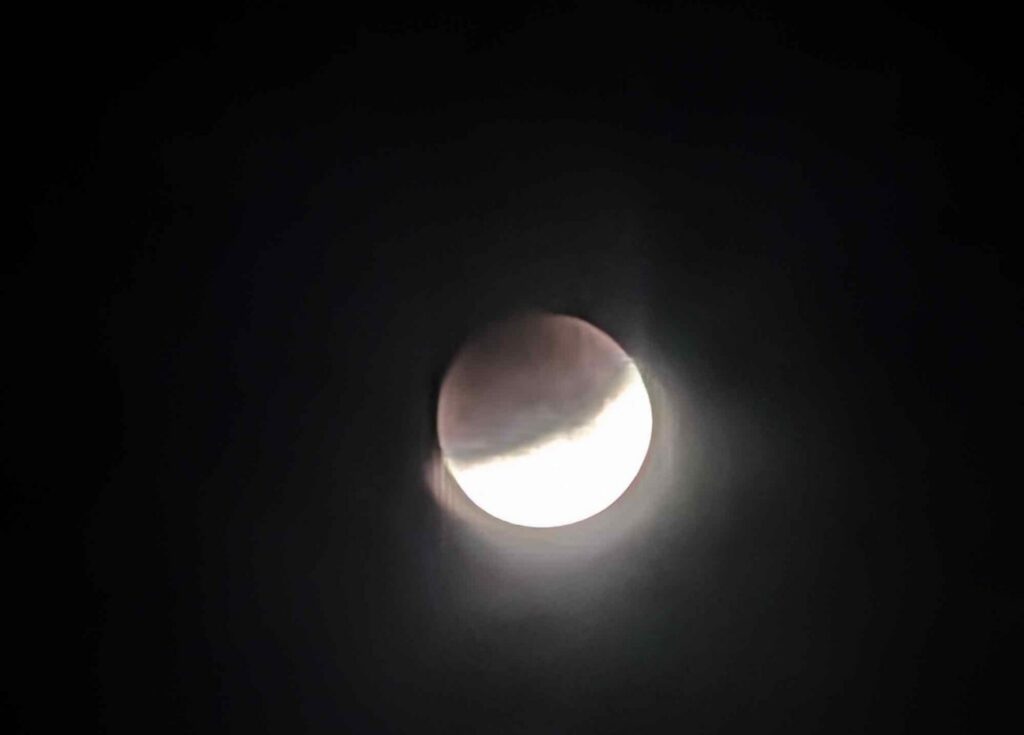



For those who missed this morning’s show, the next lunar event on the calendar is a partial eclipse scheduled for August 28, 2026. However, that event will not feature the full “blood red” transformation seen this morning.
Please share your images by contacting us, or by visiting us on Facebook or Instagram. Be sure to include your name and the general location (e.g., Ocala, Silver Springs, Belleview, etc.) where the photo was taken so we can give you proper credit in our upcoming community gallery.