
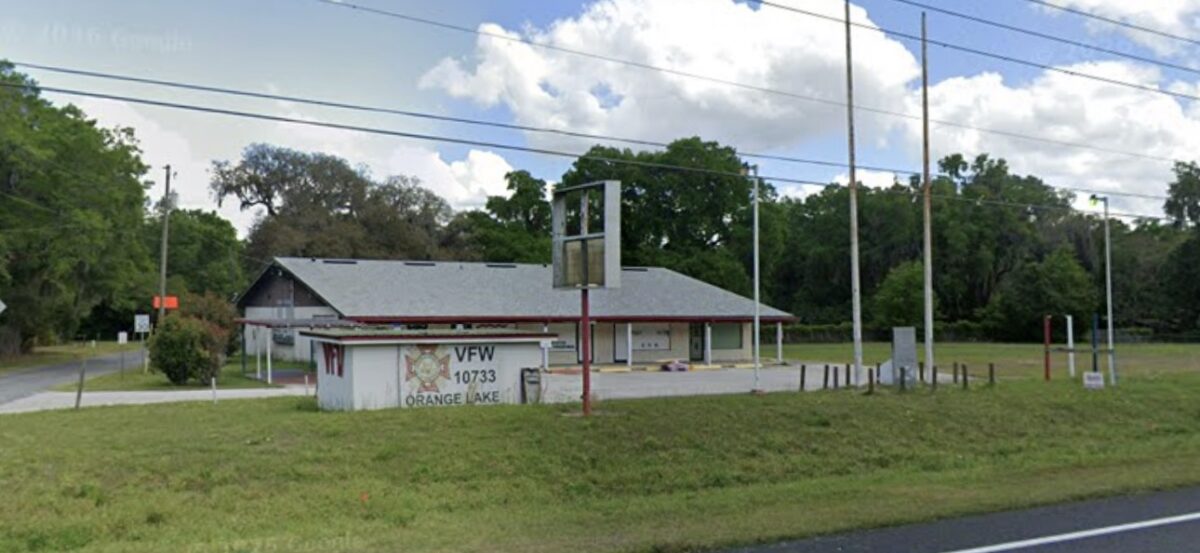
The Marion County Board of County Commissioners has delayed a decision on a proposed pet cremation facility in Reddick after the applicant was unable to answer several operational and environmental questions during a public meeting last week.
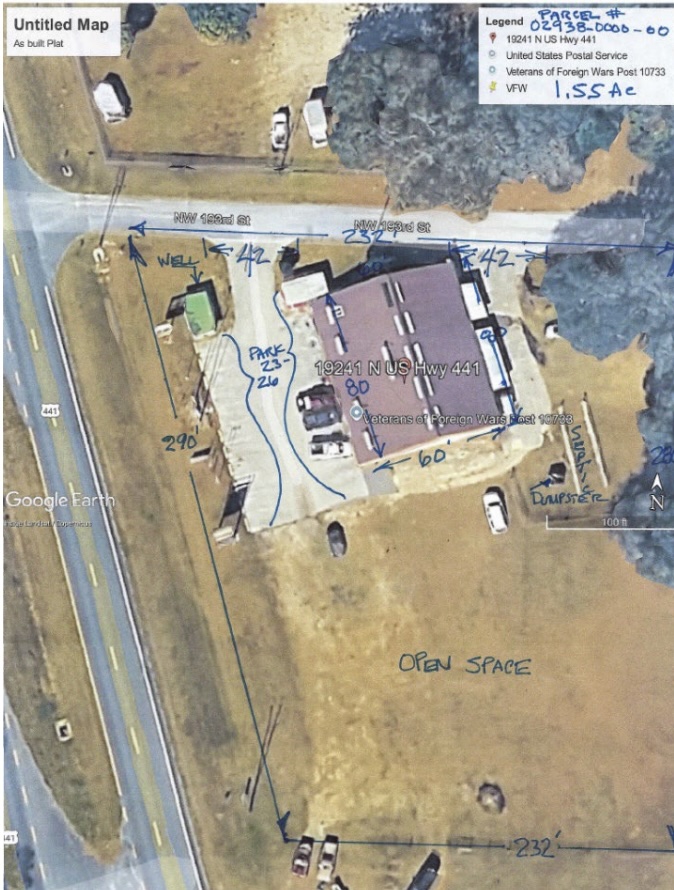
On Wednesday, June 17, the board voted unanimously to table a special use permit request for 60 days. Applicants Paula Dempsey and Ted Stone are seeking the permit to convert the former Orange Lake VFW Post 10733, located at 19241 N US Highway 441, into a facility that uses alkaline hydrolysis, or aquamation, for deceased domestic animals and small livestock.
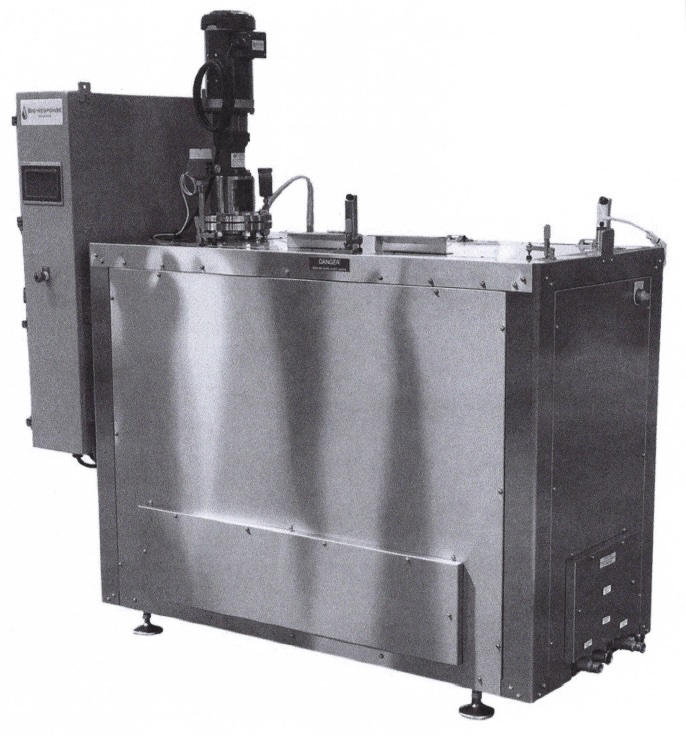
County staff documents describe aquamation as an eco-friendly alternative to traditional flame-based cremation. The process utilizes water, heat, and alkaline chemicals to speed up natural decomposition.
The system, which resembles a large deep freezer, can hold up to 550 pounds of animals at once and neutralizes basic chemicals to leave behind sterile wastewater and bone remains. The bones are then pulverized into a powder and returned to pet owners.
During a discussion that lasted over 40 minutes, commissioners asked multiple questions regarding the facility’s day-to-day operations, including specific inquiries about the equipment and water usage. When the applicant was unable to provide detailed answers, the board expressed hesitation about moving forward.
Commissioner Craig Curry emphasized that the board needed a clearer picture of the process before granting approval.
“This is a brand new industry for us,” Curry said. “This is the basics of operation, I’m not asking for a business plan.”
The other commissioners agreed, including Michelle Stone, who explained that more specifics on the environmental impact were needed. When Stone asked about how many gallons the machine would use, she suggested that the applicant should already have had all of that information prepared before the meeting. Her fellow commissioners agreed, suggesting Stone familiarize himself with the product and return to the board with concrete data.
“Often times, we do have applicants bring the manufacturer with them to speak to these sorts of things,” said Stone. “So if you’re not the expert, you need an expert standing at your side.”
Chairman Carl Zalak III noted that attorneys, engineers, and manufacturers are regularly brought in to share their expertise and address concerns posed by the board and local residents.
“That’s why we’re struggling,” said Zalak.
After the discussion concluded, Stone motioned to table the matter for sixty days.
“If it gets done sooner, then we’ll see you sooner, but that buys you some time until you get back in here,” said Stone. The motion was unanimously approved shortly thereafter.
The proposed Reddick facility received a recommendation for approval from the Marion County Planning and Zoning Commission in late May, despite concerns from neighbors regarding wastewater and potential odors.
The proposed business plans to operate on a wholesale model, working directly with local veterinary offices rather than offering retail hours or conducting memorial services on-site.
To address environmental concerns, the county has outlined several strict conditions for the facility if the permit is ultimately approved.
The operators would be prohibited from draining effluent into the property’s septic system, requiring all wastewater to be securely captured, stored in tanks, and completely removed from the premises.
Additionally, all operations would have to be conducted indoors, and the owners would be required to maintain a spill containment and hazard management plan.
What are your thoughts on the proposed water cremation facility for pets? Share them in a comment below or, if you have more to say on the matter, write a letter to the editor.